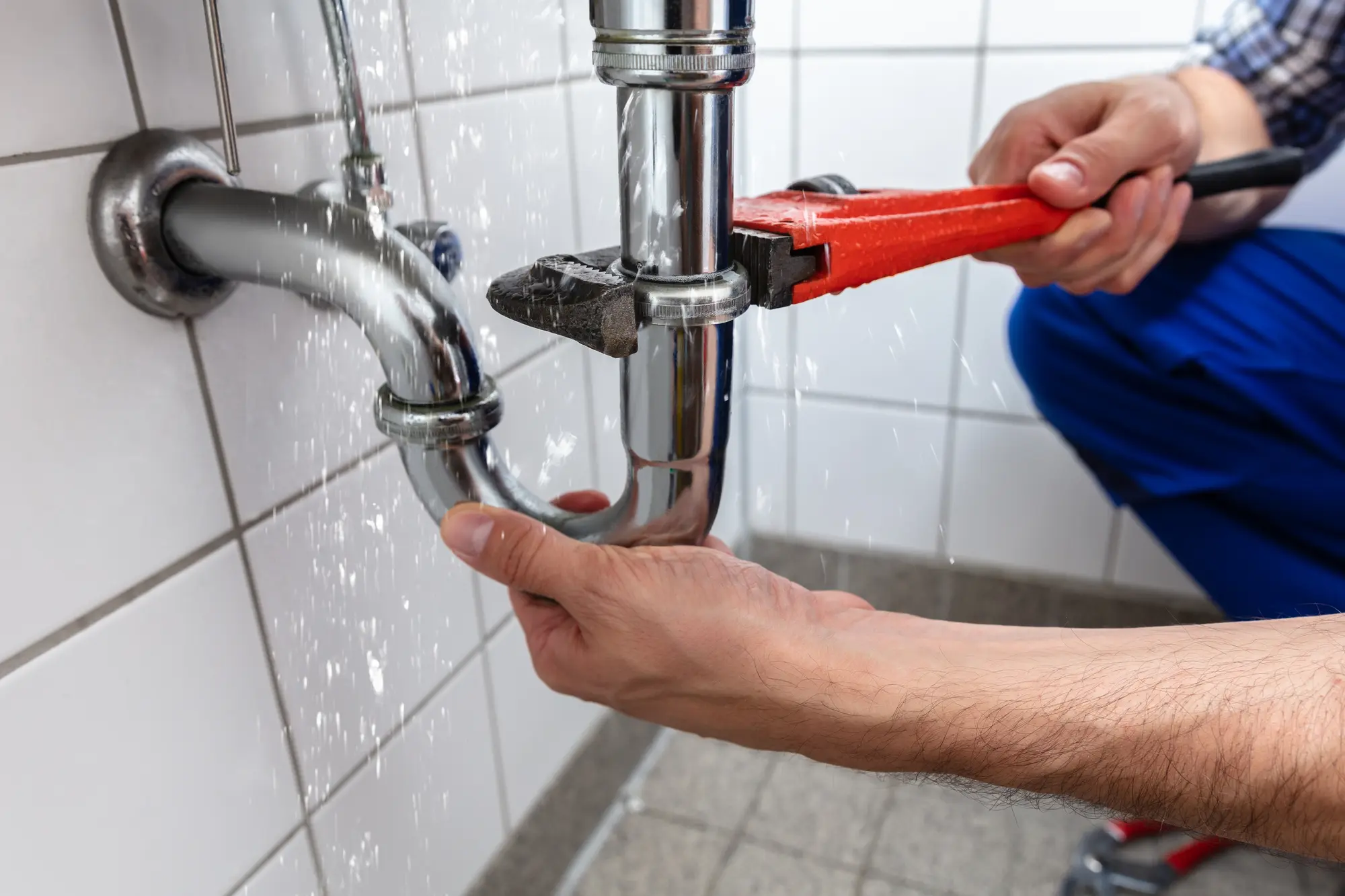
Why Spending in Repiping Services Is Important for Your Home's Plumbing Wellness
Repiping solutions play an important duty in keeping a home's pipes health and wellness. Over time, pipes can corrode, leakage, or become stopped up, resulting in possible risks and ineffectiveness. Homeowners often overlook the indications of deteriorating pipes, which can cause substantial damage. Recognizing the requirement for repiping is essential. What elements should homeowners consider before making this investment? The solutions may stun you.
Understanding the Relevance of Repiping
While numerous home owners may neglect the relevance of repiping, it plays a vital role in keeping the overall wellness of a plumbing system. With time, pipelines can wear away, develop leaks, or become obstructed with mineral deposits, causing decreased water high quality and flow stress. Repiping addresses these concerns by changing old, broken pipelines with new, resilient materials, making certain a dependable water system and minimizing the danger of expensive repair work connected with leaks and water damages. In addition, modern piping materials are typically a lot more ecologically friendly and efficient, contributing to reduced energy costs and enhanced water conservation. Conducting a repiping project can enhance a home's resale value, making it a sensible financial investment for house owners. Eventually, acknowledging the value of repiping enables property owners to take proactive steps in securing their plumbing systems and making sure a secure, practical living environment for their families.
Usual Indicators That Suggest the Need for Repiping
House owners ought to be attentive for specific signs that suggest the requirement for repiping, as overlooking these issues can lead to a lot more serious plumbing troubles. One typical indicator is the existence of frequent leaks, which can recommend aging or degrading pipelines. Additionally, an obvious decrease in water stress may suggest clogs or rust within the pipes system. Home owners may also see stained or corroded water, signaling pipeline destruction. Unexplained water bills that are substantially more than common can likewise hint at leaks hidden within the walls. The development of mold or mold in areas near pipes components can suggest moisture issues stemming from damaged pipelines. Finally, if the home has old galvanized piping, it may be time to assume concerning repiping, as this material is susceptible to corrosion and deterioration. Identifying these signs early can assist maintain a healthy pipes system.
The Threats of Neglecting Pipes Issues
Neglecting pipes problems can lead to substantial water damages, which might endanger the architectural integrity of a home. Additionally, unresolved leaks can create a setting for mold and mildew development, posing severe carcinogen to occupants. Attending to pipes problems promptly is important to protect both building and well-being.
Water Damages Worries
When plumbing issues go unaddressed, the risk of water damage rises substantially. Leakages, leaks, and cracks in pipes can cause substantial water breach, jeopardizing the architectural honesty of a home. Gradually, even small leakages can create rot, mold growth, and damage to wall surfaces and floor covering, leading to pricey repair work. Water damages can additionally affect electric systems, producing dangerous conditions. House owners commonly take too lightly the collective effect of small leakages, which can bring about extensive damage otherwise immediately dealt with. Ignoring pipes issues not just boosts the possibility of prompt damages but can additionally lessen building value and posture long-lasting economic worries. Consequently, timely repiping solutions are vital to protect against water damage and preserve a healthy and balanced home atmosphere.
Wellness Hazards Rise
Unresolved plumbing concerns can result in significant health and wellness risks within a home. Polluted water from rusty pipelines can lead and introduce dangerous bacteria to severe health problems. Mold and mildew growth, commonly a result of leaks and excess wetness, postures breathing threats and can set off sensitive responses. Additionally, stagnant water can bring in parasites such as rodents and bugs, which lug diseases that better jeopardize household health. Neglecting these pipes problems not only compromises the safety and security of citizens yet can also diminish home value. Resolving pipes concerns via repiping solutions is vital. Timely intervention not just safeguards health and wellness but additionally assures a safe living environment, preventing more extensive damages and costly repairs down the line.
Various Types of Piping Materials
Piping materials are a necessary part in plumbing systems, influencing durability, performance, and total efficiency. Various options are offered, each with one-of-a-kind buildings and applications. Copper piping is known for its long life and resistance to deterioration, making it a preferred selection for both warm and chilly water lines. PVC (polyvinyl chloride) is lightweight, cost-efficient, and resistant to chemical damage, mostly made use of for drainpipe and vent systems. PEX (cross-linked polyethylene) has actually gotten popularity because of its flexibility and convenience of setup, permitting less joints and prospective leak factors. Galvanized steel, though once typical, is less beneficial today because of its vulnerability to rust and reduced water circulation gradually. Each product presents unique benefits and disadvantages, making it important for homeowners to seek advice from plumbing specialists to identify one of the most suitable choice for their specific requirements and problems. Picking the best piping product can substantially influence the efficiency and safety and security of a plumbing system.
The Repiping Refine: What to Expect
The repiping procedure begins with a complete assessment of the existing pipelines to recognize problems and determine the ideal course of activity. Following this assessment, homeowners will need to pick suitable substitute materials that fit their plumbing requires. Lastly, an introduction of the setup procedure will supply understandings right into what to expect during this substantial home renovation.
Assessment of Existing Pipes
An accurate analysis of existing pipes is necessary for making certain the lasting wellness of a pipes system. This examination includes evaluating the materials, age, and condition of the pipelines, in addition to determining any type of indications of deterioration, leaks, or clogs - Houston Repiping Experts. Professional plumbing professionals often use sophisticated methods such as video examinations to gain a clear sight of the pipe's inside without invasive procedures. By recognizing trouble areas early, property owners can avoid further damages and pricey repair services in the future. Furthermore, comprehending the existing state of the plumbing facilities aids in making educated choices relating to essential upgrades or repiping. On the whole, a detailed analysis functions as the structure for an effective repiping process, making certain that the new system meets the home's particular requirements
Picking Replacement Products
After reviewing the existing pipes, house owners deal with the important choice of picking ideal substitute materials for their pipes system. Typical options include copper, PVC, PEX, and CPVC, each with distinct benefits and negative aspects. Copper is understood for its durability and resistance to corrosion, making it a resilient selection. PVC is economical and lightweight, appropriate for drainpipe and air vent lines. PEX offers adaptability and is resistant to range and chlorine, making installment less complicated in tight areas. CPVC is comparable to PVC but can endure greater temperatures. Home owners must consider aspects such as spending plan, regional building ordinance, and the particular demands of their plumbing system when making this decision, guaranteeing optimal performance and long life for their home's pipes infrastructure.
Installation Process Review
Repiping a home can be a significant undertaking, but recognizing the installment procedure helps home owners plan for what exists ahead. The procedure commonly begins with a comprehensive examination of the existing plumbing system to determine issue locations. Next off, a comprehensive plan is formulated, describing the necessary materials and timelines. On the installation day, specialists will typically start by closing off the water and draining pipes the existing pipes. They then eliminate the old piping, which might include opening wall surfaces or ceilings for gain access to. Brand-new pipes are installed, ensuring they fulfill present plumbing codes. The system is tested for leaks, and any openings are repaired. House owners can expect a efficient and tidy process, minimizing disturbance to their everyday lives.
Long-Term Advantages of Repiping Your Home
While several property owners might neglect mm underground drainage the value of updating their pipes, the long-lasting advantages of repiping a home can greatly boost both its value and performance. Among the main advantages is enhanced water top quality. Older pipelines may harbor impurities and rust, while new piping guarantees tidy and risk-free water delivery. Furthermore, repiping can cause enhanced water stress, making day-to-day tasks extra effective.
How to Select the Right Plumbing Solution for Repiping
Just how can homeowners guarantee they select the best pipes solution for repiping? Initially, they need to look into neighborhood pipes business, focusing on those that concentrate on repiping solutions. Reviewing on the internet reviews and endorsements can offer understandings into the top quality of service supplied. It's necessary to inspect for appropriate licensing and insurance policy, making certain the chosen firm adhere to local guidelines
Home owners need to also request detailed estimates from multiple companies to contrast pricing and services provided. Engaging directly with potential plumbings can help analyze their proficiency, communication abilities, and readiness to answer questions. Additionally, requesting recommendations from previous customers can verify a business's integrity and workmanship.
Lastly, house owners ought to take into consideration the company's warranty policies on products and labor, as this can mirror their commitment to quality. By adhering to these guidelines, house owners can make an enlightened selection, protecting their plumbing health through reliable repiping solutions.
Frequently Asked Concerns
Exactly how Long Does a Typical Repiping Task Take to Full?
A typical repiping job normally takes in between one to 5 days to finish, relying on the dimension of the home and intricacy of the pipes system. Appropriate planning and service provider know-how can affect overall period substantially.
Will Repiping Rise My Home's Resale Worth?
Repiping frequently improves a home's resale value, as potential purchasers appreciate updated pipes systems. This renovation lowers possible pipes problems, making the residential or commercial property a lot more eye-catching and potentially warranting a higher asking rate throughout sale settlements.
Can I Stay in My Home During Repiping?
Throughout repiping, remaining in the home is typically possible, but it might rely on the degree of the work. Property owners ought to prepare for short-term disturbances and seek advice from specialists for details arrangements and security considerations.
What Is the Typical Cost of Repiping a Home?
The average cost of repiping a home commonly varies from $4,000 to $15,000, depending on variables such as the size of your house, products made use of, and labor costs connected with the pipes work. - Houston Repipe Company
Do I Required a Permit for Repiping Solutions?
A license is commonly required for repiping services, as it guarantees compliance with regional building regulations mm soil pipe and guidelines. Home owners should consult their local authority or a certified plumber to identify certain permitting demands for their area.